Window blinds are fairly ancient inventions. Modern blinds for window resurfaced in the late century, and the evolution of newer and stronger materials and production technology since that time have made them as equally popular as their ancient cloth counterparts. The principal functions of window blinds to offer a display from external prying eyes, regulate external light, and lock in warmth still hold true today because they did in the past. Window blinds are becoming an essential household accessory, not only as the newer home owner's needs have remained unchanged, but additionally as a result of improvements in technology which have made window blinds of today equally decorative and functional. Well chosen blinds for windows add a focal splash of colour to, perhaps, a mundane living space, while doing the work which was intended. Blinds for windows can easily be categorized into vertical , roller and panel. While they seem to be interchangeable, they are actually designed so that every window blind is most beneficial put on certain window styles.
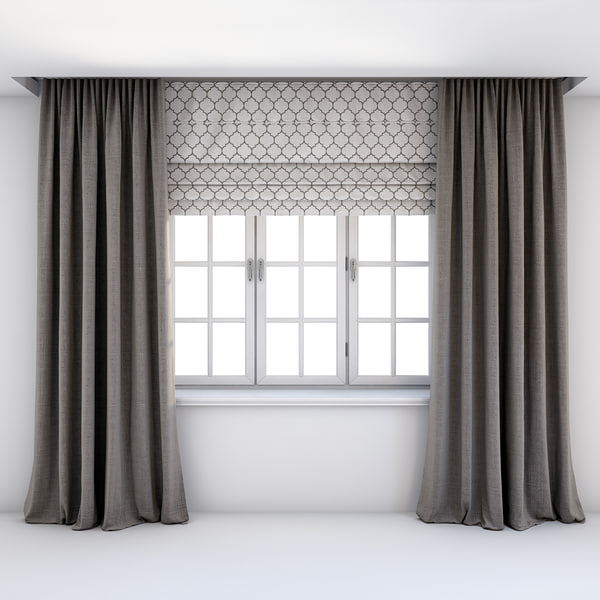
Blinds, as an example, are made of fabric so that they fold up when raised. A one-piece area of material is mounted with slats on the rear and so the blind stacks neatly into horizontal pleats when pulled up by a string or cord. This results in better insulation during cold months when lowered all the way down, lying flat as a single panel of fabric. Roller Blinds are also made from solid bits of fabric or other material that easily rolls up in the form of chain or pre-loaded spring. There are no slats offering the backbone of the blind, so that the material itself neatly wraps up around a light, aluminium cylinder once the blinds are raised. Blinds are horizontal slats with no fabric. The slats are either manufactured from wood, vinyl, or aluminium, and stack neatly together when raised. Venetian blinds allow light to pass through once the slats are rotated to open top to bottom. The slats may be set at an angle in order to regulate the amount of light entering the room. Blinds, also known as louvre blinds, are similar in principle to blinds except that the slats are, since the name suggests, hanging vertically, that's, top to bottom. While there are thin strips of vertical slats for smaller windows, vertical blinds are ideal for bigger windows or sliding doors.
Buildings with expansive glass walls use vertical blinds to produce an anti-glare screen when necessary while allowing as much light to the inside as possible. Panel blinds function in exactly the same way as vertical blinds in that they screen large openings or windows. The difference is that panel blinds are attached to a track system that glides to the left or right. An item of fabric and other material built in to the panel offers the screen. As such, they also work as temporary dividers for large spaces. Of the many kinds of window blinds that are offered to the homeowner, even the absolute most discriminating shopper will find the ones worthy of his or her taste.


No comments:
Post a Comment